









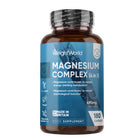



Magnesium
Magnesium for Sleep: Does It Really Help You Rest?
On this Page
- Why Magnesium Matters for Your Body and Mind
- Does Magnesium Help You Sleep? What Does the Research Say?
- Getting Enough Magnesium Through Diet
- Which Magnesium Is Best for Sleep? A Look at the Different Forms
- Magnesium Glycinate: A Closer Look at Why It Stands Out
- When and How to Take Magnesium for Sleep
- Supporting Better Sleep Beyond Supplementation
- The Bottom Line
- Frequently Asked Questions
- Sources
If you've been lying awake at night searching for a natural way to wind down, you may have come across magnesium for sleep as a topic. This essential mineral is involved in hundreds of processes in the body, and it has quietly become one of the most talked-about nutrients in the world of sleep and relaxation. But does the science actually back it up? And if so, which form should you be taking?
This guide covers everything you need to know, from how magnesium supports the body at rest to which type may suit you best.
Why Magnesium Matters for Your Body and Mind
Magnesium is one of the most abundant minerals in the human body, yet many adults in the UK fall short of the recommended daily intake. It contributes to over 300 enzymatic reactions, including those that regulate the nervous system, muscle function, and energy production.
When it comes to sleep specifically, magnesium plays a role in supporting the normal function of the nervous system*. It is involved in the production and activity of neurotransmitters that help the body transition from a wakeful state to one of rest. Put simply, if your magnesium levels are lower than they should be, it is likely to have an impact on how well you sleep at night.
Worth knowing: The NHS recommends that adults consume around 300mg of magnesium per day for men and 270mg for women. Many people do not consistently reach these targets through diet alone.
Does Magnesium Help You Sleep? What Does the Research Say?
It's one of the most commonly searched questions in UK wellness circles, and the answer is nuanced. Magnesium does not directly cause sleep the way a sedative would. However, it contributes to the relaxation of muscles, the regulation of the nervous system, and may also support the production of melatonin, the hormone associated with the body's internal clock.
Research published in nutritional science journals has noted a link between adequate magnesium intake and improved sleep quality in adults. Magnesium activates the parasympathetic nervous system, which is the part responsible for calming your body down. It can also bind to GABA receptors in the brain, receptors associated with nerve activity and support nightly rest.
So while you should not expect a single supplement to resolve complex sleep challenges, the evidence does suggest that ensuring your body has enough magnesium is a sensible step in supporting more restful nights.
Getting Enough Magnesium Through Diet
Before reaching for a supplement, it is worth looking at your diet. Several everyday foods are naturally rich in magnesium:
- Leafy greens: spinach, kale, and Swiss chard are particularly high in magnesium
- Nuts and seeds: especially pumpkin seeds, which are among the most concentrated sources
- Legumes: lentils, black beans, and chickpeas all contribute a meaningful amount
- Whole grains: brown rice, oats, and whole wheat bread
- Dark chocolate: a pleasant bonus, particularly varieties with 70% or more cacao
That said, modern farming practices and soil depletion mean that even a balanced diet may not always provide optimal magnesium levels. This is where supplementation can become a useful complement to a healthy lifestyle.

Which Magnesium Is Best for Sleep? A Look at the Different Forms
Not all magnesium supplements are the same. The mineral is typically bound to another compound for absorption, and this pairing affects how well it is absorbed and how it behaves in the body.
Here is a quick breakdown of the most common forms:
- Magnesium glycinate (bisglycinate): bound to the amino acid glycine; often considered well-absorbed and gentle on the digestive system, making it a popular choice for evening use
- Magnesium citrate: bound to citric acid; reasonably well absorbed and widely available
- Magnesium malate: bound to malic acid; often associated with energy support
- Magnesium oxide: a more common and budget-friendly form, considered to have a lower absorption rate compared to bisglycinate forms
- Magnesium threonate: a newer form with research into its ability to cross the blood-brain barrier
When people ask "which magnesium is best for sleep," the answer that tends to come up most consistently in nutritional circles is magnesium glycinate. The glycine component itself has been studied for its potential to support sleep quality, which may add an additional layer of benefit beyond magnesium alone.
Magnesium Glycinate: A Closer Look at Why It Stands Out
Magnesium glycinate, also known as magnesium bisglycinate, is widely regarded as one of the gentler and more bioavailable forms of the mineral. Because it is chelated (bonded) with glycine, it is less likely to cause the digestive discomfort sometimes associated with other forms.
For those wondering "which magnesium is best for sleep and anxiety," glycinate is frequently the form wellness practitioners and nutritionists highlight. Glycine itself is a amino acid that plays a role in inhibitory neurotransmission, and research suggests it may contribute to improved sleep onset and quality when taken in the evening.

When and How to Take Magnesium for Sleep
Timing matters when it comes to magnesium for sleep. Most people find that taking a magnesium supplement in the evening, around 30 to 60 minutes before bed, fits well into a winding-down routine. Taking it with a small meal can also help with absorption and reduce any chance of digestive sensitivity.
It is worth starting with the manufacturer's recommended dose and maintaining consistency. As with most minerals, the benefits of magnesium are generally seen over time with regular supplementation rather than after a single dose.
If you are currently taking any medications or have an existing health condition, it is always a good idea to speak with your GP or a registered health professional before introducing a new supplement.
Good to know: According to the NIH Office of Dietary Supplements, magnesium plays a role in normal protein synthesis, energy-yielding metabolism, and the functioning of the nervous system — all processes relevant to how the body prepares for rest. You can also find general guidance on daily nutrient needs at the NHS Vitamins and Minerals resource.
Supporting Better Sleep Beyond Supplementation
While ensuring adequate magnesium intake is a worthwhile step, sleep quality is influenced by a combination of lifestyle habits. Here are a few things that tend to support more restful nights:
- Keeping a consistent sleep and wake time, even at weekends
- Reducing screen exposure in the hour before bed
- Keeping your bedroom cool, dark, and quiet
- Limiting caffeine after midday
- Incorporating a short wind-down routine, such as light stretching or reading
Pairing these habits with a well-chosen supplement, such as a quality magnesium glycinate product, gives your body a stronger foundation from which to build more consistent rest. You can also browse the WeightWorld sleep supplements range to explore other options that support a healthy nighttime routine.
The Bottom Line
The short answer is yes, ensuring adequate magnesium levels is a sensible, evidence-informed approach to supporting sleep quality. It will not override poor sleep habits, but as part of a broader routine, it contributes meaningfully to the body's natural ability to rest and recover.
When it comes to choosing a form, magnesium glycinate consistently earns attention for its bioavailability, gentle tolerability, and the calming properties associated with its glycine component. If you have been considering adding a magnesium supplement to your routine, it is a good place to start.
Frequently Asked Questions
Does magnesium help you sleep?
Magnesium contributes to the normal functioning of the nervous system and muscle function, both of which play a role in the body's ability to rest. Having adequate magnesium levels is likely to support better sleep quality, though it works best as part of a broader healthy routine rather than as a standalone fix.
Which magnesium is best for sleep?
Magnesium glycinate (also known as magnesium bisglycinate) is widely regarded as one of the most suitable forms for sleep support. It is considered to be well-absorbed and gentle on the digestive system, and the glycine it is bonded with has its own calming properties that may further support restful sleep.
When should I take magnesium for sleep?
Most people take magnesium supplements in the evening, roughly 30 to 60 minutes before bed. Taking it with a light snack may aid absorption. Always follow the dosage guidelines provided by the supplement manufacturer.
Can magnesium help you sleep if your levels are already normal?
Supplementing with magnesium when your levels are already sufficient may offer more modest benefits, but the glycine component in magnesium glycinate still has evidence behind it for supporting relaxation and sleep onset. If you are uncertain about your magnesium status, a GP can advise you accordingly.
Is magnesium good for sleep and relaxation together?
Yes. Magnesium supports normal nervous system function and contributes to muscle function, which together creates conditions that are more conducive to unwinding at the end of the day. Many people find it a useful addition to their evening routine alongside other sleep-supporting habits.
Are there any side effects of taking magnesium for sleep?
Magnesium glycinate is generally considered well-tolerated. Some forms of magnesium, particularly at higher doses, may have a mild laxative effect. If you experience any discomfort, consider reducing your dose or speaking to a healthcare professional. Always follow the recommended dosage on the product label.
Sources
- https://www.nhs.uk/conditions/vitamins-and-minerals/others/
- https://ods.od.nih.gov/factsheets/Magnesium-HealthProfessional/
- https://efsa.onlinelibrary.wiley.com/doi/10.2903/j.efsa.2015.4186
- https://www.ncbi.nlm.nih.gov/pmc/articles/PMC3703169/
- https://www.ncbi.nlm.nih.gov/pmc/articles/PMC4397399/
- https://www.ncbi.nlm.nih.gov/pmc/articles/PMC5452159/
- https://pubmed.ncbi.nlm.nih.gov/21226679/
- https://www.ncbi.nlm.nih.gov/pmc/articles/PMC6163803/
- https://ec.europa.eu/food/food-feed-portal/screen/health-claims/eu-register


